Hosted by the University of Birmingham, School of Social Policy and Society, in partnership with the ILO, the 2026 MENASP Network Conference (7th Edition) will bring together researchers, policymakers, practitioners, civil society actors and early-career researchers to explore the challenges, policy choices and future directions of social policy and social protection across the Middle East and North Africa (MENA).

Building on more than a decade of sustained dialogue since its inaugural conference in 2013, the MENASP Network has consistently engaged with key questions concerning social rights, social protection systems, poverty and inequality, unemployment, labour market transformation, vulnerable populations, governance reform and inclusive development. Previous conferences have explored policy learning in the era of social protection (Cairo, 2019), the search for a new social contract (Bonn, 2016), and the need for resilient, inclusive and environmentally sustainable social policies (Rabat, 2023).

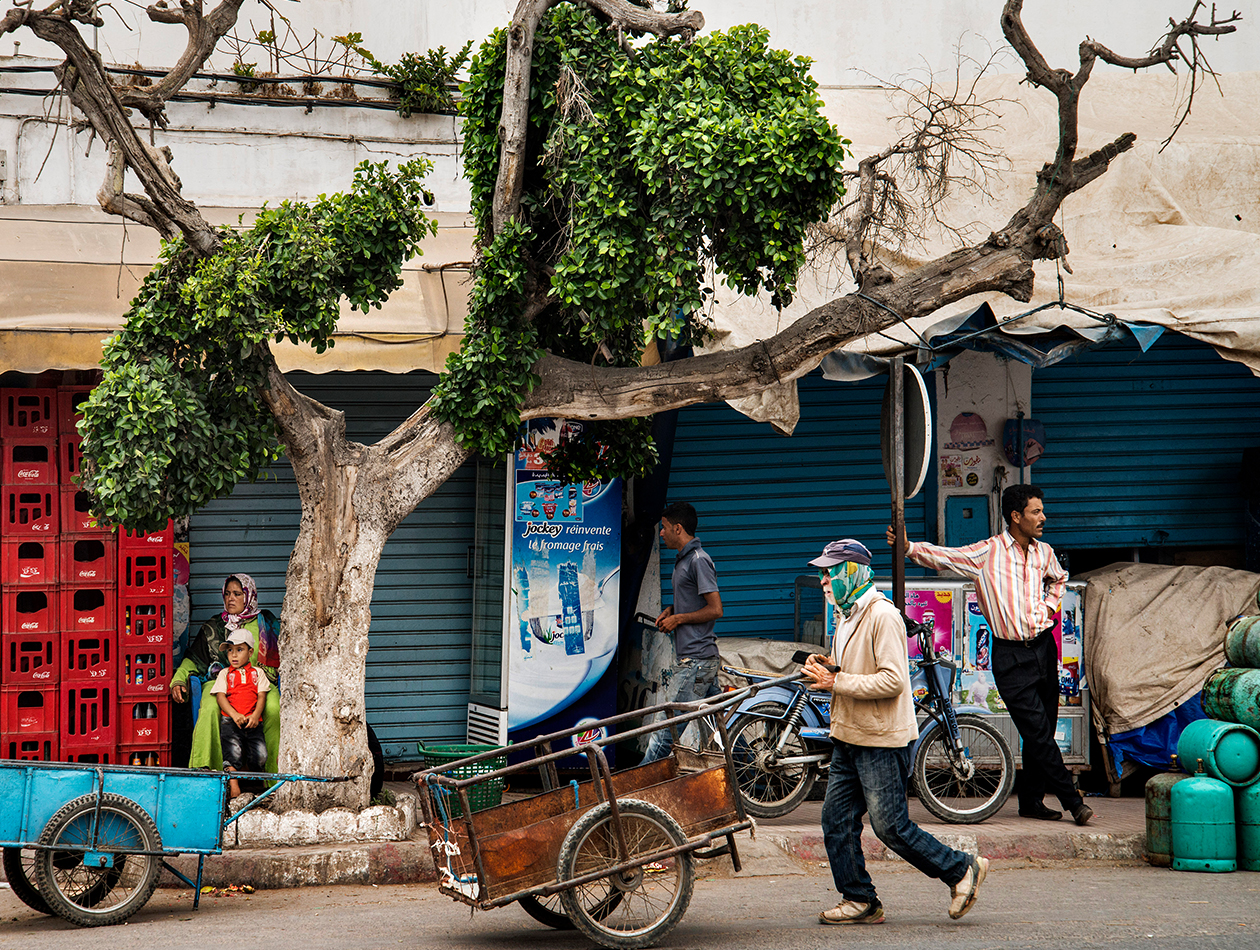
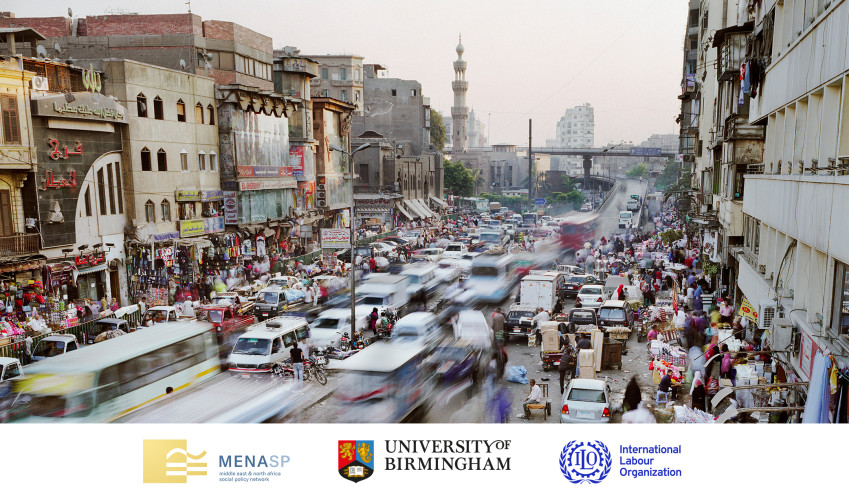
Across the MENA region, social policy and social protection systems face intersecting pressures, including fiscal constraints, conflict and displacement, climate vulnerability, labour migration, demographic change, labour market informality and accelerating digital transformation. These challenges raise important questions about the capacity of existing systems to respond to changing social and economic conditions, address persistent inequalities and protect vulnerable populations.

Against this backdrop, the 2026 conference will critically examine whether current developments in social policy and social protection reflect genuine innovation, adaptation to new circumstances, or a continuation of established approaches. It will also explore alternative policy pathways and consider how social protection systems can contribute to more inclusive, equitable and sustainable futures across the region.

Thematic Topics

Under the theme Social Policy and Social Protection in the Middle East and North Africa: Innovation, Adaptation or Business as Usual?, the 7th Bi-annual MENASP Network Conference examines how welfare systems and social policy regimes across the MENA region are responding to structural transformations, persistent inequalities and emerging social risks.

The conference focuses on whether current policy developments represent meaningful innovation, adaptation to changing political, economic and social conditions, or the continuation of established institutions and practices. It considers how social protection systems are evolving in response to intersecting challenges, including conflict and displacement, fiscal constraints, labour market transformation, migration, climate change and digitalisation. Particular attention is given to the implications of these developments for social rights, inclusion, governance and state–society relations.

The conference addresses a broad range of interconnected themes:

  • Social protection reform and institutional innovation in the MENA region
  • Labour markets, informality, precarity and employment transformation
  • Poverty, inequality, redistribution and welfare regimes
  • Labour migration dynamics and access to social protection
  • Social policy in contexts of conflict, fragility and forced displacement
  • Climate change, environmental risks and adaptive social protection
  • Digitalisation, data systems and the future of welfare delivery
  • Financing, governance and sustainability of social protection systems
  • State–society relations and emerging social contracts in the MENA region

.

⌃

Agenda

The agenda for the 7th Bi-annual MENASP Network Conference is shared below.

The programme will feature two days of online sessions dedicated to the presentation and discussion of research papers addressing key developments and challenges in social policy and social protection across the Middle East and North Africa (MENA) region.

Please note that the agenda is a living document and will be updated regularly as further details become available. We encourage participants to check back frequently for the latest updates.

.

⌃

Special Sessions: Between Crises and Reforms: Wage Protection, Social Security and Labour Migration along South–South Corridors to the GCC

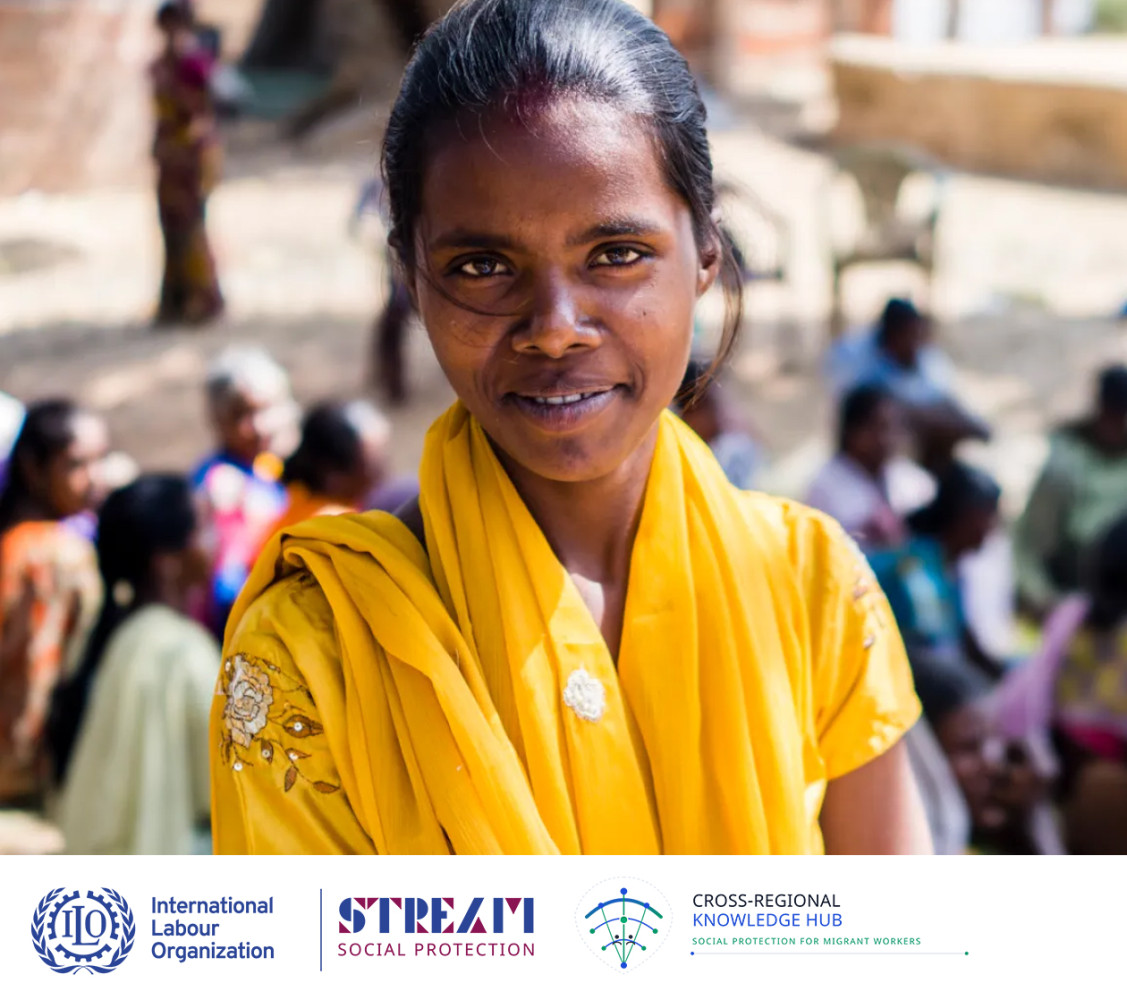
Led by the ILO-STREAM Programme and the Cross-Regional Network Hub on Social Protection for Migrant Workers, these special sessions forms part of the 7th Bi-annial MENASP Network Online Conference. They examine the interconnections between labour migration, wage protection and social protection along South–South migration corridors to the Gulf Cooperation Council (GCC) countries, particularly those involving South Asia, Africa and Arab countries.

Against a backdrop of conflict, economic uncertainty and changing migration dynamics, the sessions explore how crises expose persistent gaps in wage protection systems, social security coordination, benefit portability and migrant workers’ access to rights and entitlements. The focus on the sessions considers how national policies, bilateral arrangements and regional cooperation can better address the social protection needs of migrant workers and their families across countries of origin, transit and destination.

The special sessions connect directly with the conference’s overarching question by examining how existing protection mechanisms respond to crises and whether current arrangements are adapting to changing migration realities or reproducing gaps in coverage and access. They highlight policy approaches and institutional developments that can strengthen the sustainability, resilience and accessibility of wage protection and social security systems.

Particular attention is given to migration-corridor dynamics, gender dimensions and the experiences of workers in vulnerable or emerging forms of employment. The special sessions contribute to wider discussions on how labour migration governance and social protection systems can be better aligned to protect workers’ rights, address inequalities and extend effective social protection across borders.


⌃

Registration

Registration is now open for the 7th Bi-annual MENASP Network Conference: Social Policy and Social Protection in the Middle East and North Africa: Innovation, Adaptation or Business as Usual?

Taking place online on 25–26 November 2026, the conference will bring together researchers, policymakers, practitioners and civil society representatives to explore key developments and challenges in social policy and social protection across the Middle East and North Africa (MENA) region.

Participation is free of charge, but advance registration is required.

Please register via Eventbrite to confirm your attendance. Further information about the programme and instructions for joining the online sessions will be shared with registered participants ahead of the conference.

.

⌃

Code of Practice on Freedom of Speech

The 7th Bi-annual MENASP Network Online Conference 2026 recognises the importance of freedom of speech and academic freedom in fostering open academic exchange and constructive debate.

Whilst often used interchangeably, freedom of speech and academic freedom are different terms that relate to each other:

  • Freedom of speech means everyone has the right to express lawful views and opinions freely, in speech or in writing, without interference.
  • Academic freedom means protecting the intellectual independence of academics to question and test received views and wisdom, and to put forward new ideas and contentious or unpopular opinions.

These principles underpin the conference’s commitment to providing a space where participants can share diverse perspectives, challenge established thinking and engage in open, respectful and constructive academic debate.

Ref: University of Birmingham, Code of Practice on Freedom of Speech, Section 3.1.

.

⌃

Partners

The 7th Bi-annual MENASP Network Online Conference 2026 is organised by the Middle East and North Africa Social Policy Network (MENASP Network), based at the University of Birmingham’s School of Social Policy and Society, in partnership with the ILO-STREAM Programme. This collaboration brings together academic research, international policy expertise and practical experience to foster dialogue on the future of social policy and social protection in the Middle East and North Africa and beyond.

.

Middle East and North Africa Social Policy Network (MENASP Network)

The Middle East and North Africa Social Policy Network (MENASP Network), based at the University of Birmingham’s School of Social Policy and Society, provides a platform for researchers, policymakers and practitioners working on social policy and social protection in the MENA region. Since its establishment, the Network has fostered interdisciplinary exchange and collaboration on social rights, welfare systems, poverty and inequality, labour markets, governance and inclusive development. Through its conferences and wider activities, MENASP seeks to strengthen research, encourage knowledge sharing and support informed debate on the challenges and opportunities shaping social policy across the region.

.

ILO-STREAM Programme

The ILO-STREAM Programme (Extending Social Protection to Migrant Workers and Their Families in the South Asia–Gulf Corridor) is a multi-country, multi-partner initiative led by the International Labour Organization (ILO). It aims to expand inclusive, gender-responsive and rights-based social protection coverage for migrant workers and their families across the South Asia–Gulf Cooperation Council (GCC) migration corridor.

Implemented by the ILO in partnership with, and with funding from, the Swiss Agency for Development and Cooperation, the European Union’s Foreign Policy Instrument and the Ford Foundation, the programme works towards a future in which all migrant workers—regardless of gender, migration status or sector of employment—can access the social protection they need to live and work with dignity.

.

The Cross-Regional Knowledge Hub on Social Protection for Migrant Workers, supported by ILO/STREAM, brings together six leading institutions across India, Bangladesh, Nepal, Sri Lanka, and the GCC to tackle a persistent gap: migrant workers who contribute to economies at both ends of the corridor often have little or no access to social protection. By connecting the expertise of countries of origin and destination, the Hub turns scattered knowledge into shared evidence and practical solutions. It creates a space where researchers, practitioners, and policymakers can learn from each other rather than work in parallel, offering a unique opportunity to shape how social protection follows workers across borders.

.

⌃

Can you answer three questions to let us know if found what you needed on our website and how can we improve the site for you?

Did you find what you were looking for today?

What is your background?

Do you have any general comments or feedback?

Are you a robot?